Collector's Edition | Est. 2026

Discount Collectors

A thrifty field guide for hobbyists who know the fun is in the hunt.

Catalog Entries for Value Checks

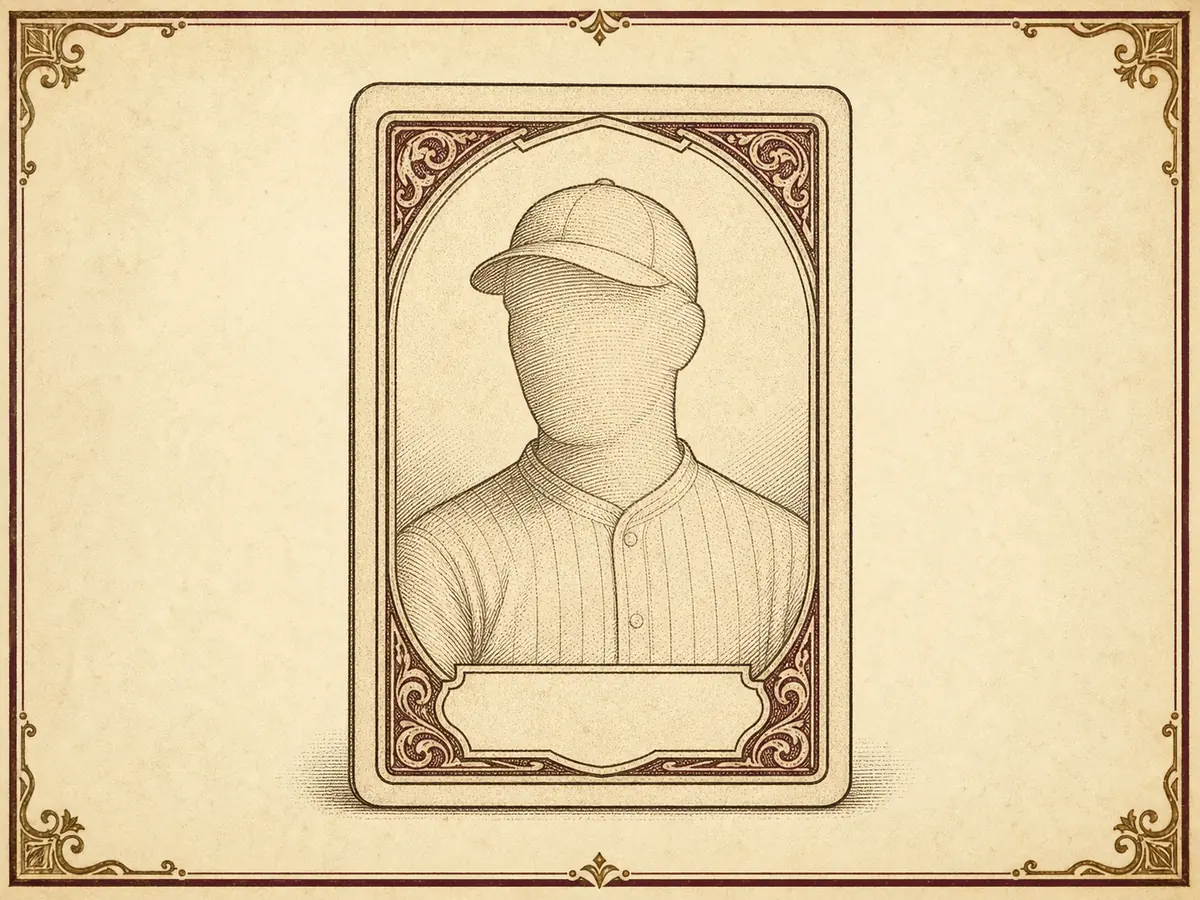
Vintage catalog illustration of a centered trading card
Catalog plate: corners and centering can move a card from keepsake to keeper.
No. 086Value clue: condition sensitive

Trading Card Grade Clues

Look at corners first, then edges, surface, centering, and print marks. One hidden crease can erase the bargain.

Condition note: A graded example is a reference, not permission to overpay for an ungraded copy.
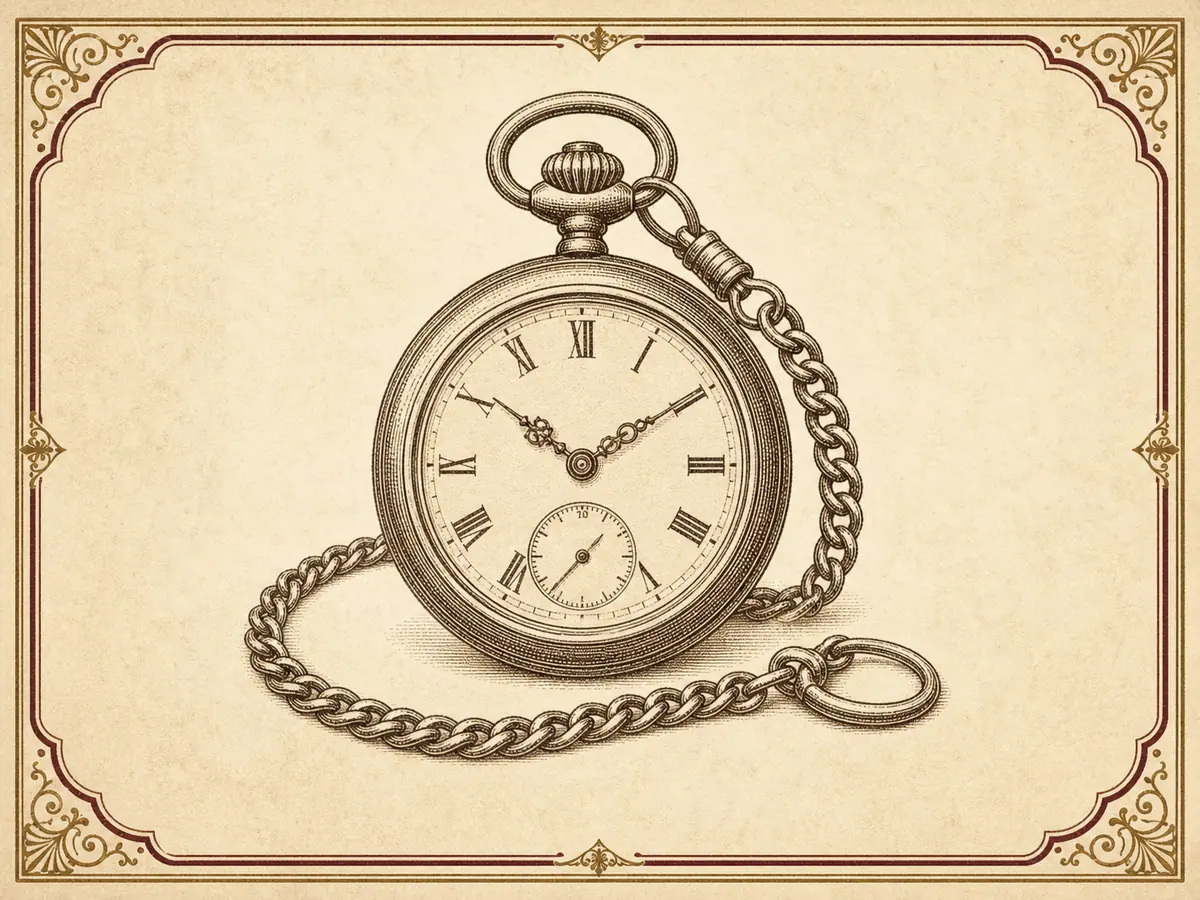
Vintage catalog illustration of an antique pocket watch with chain
Catalog plate: antiques ask for maker marks, completeness, and restraint.
No. 092Value clue: maker and function

Small Antique Objects

Check markings, repairs, replaced parts, and whether the object still performs its basic job.

Condition note: Patina is not dirt by default; harsh cleaning can remove value.

Condition and Authenticity Ledger

Checks to make before money changes hands
Item Condition Typical Range Watch For
Coins Original surfaces, readable date Low to high Cleaning, altered dates, fake mint marks, suspicious shine.
Stamps Full design, sound paper Low to moderate Thin spots, heavy hinges, clipped perforations, color fading.
Cards Sharp corners, no creases Low to high Trimming, recolored edges, counterfeit reprints, surface dents.
Antiques Complete, stable, documented when possible Low to high Reproduction marks, married parts, fresh screws, vague provenance.

Use Sold Prices, Not Hopeful Prices

Asking prices tell you what someone wants. Sold prices tell you what buyers actually paid. Compare several recent sales of the same item in similar condition, then adjust for shipping, fees, missing parts, and your own enjoyment.

  • Photograph flaws before asking a knowledgeable friend or club member for help.
  • Be suspicious of listings that avoid backs, corners, undersides, or labels.
  • When the story is bigger than the evidence, price the evidence.