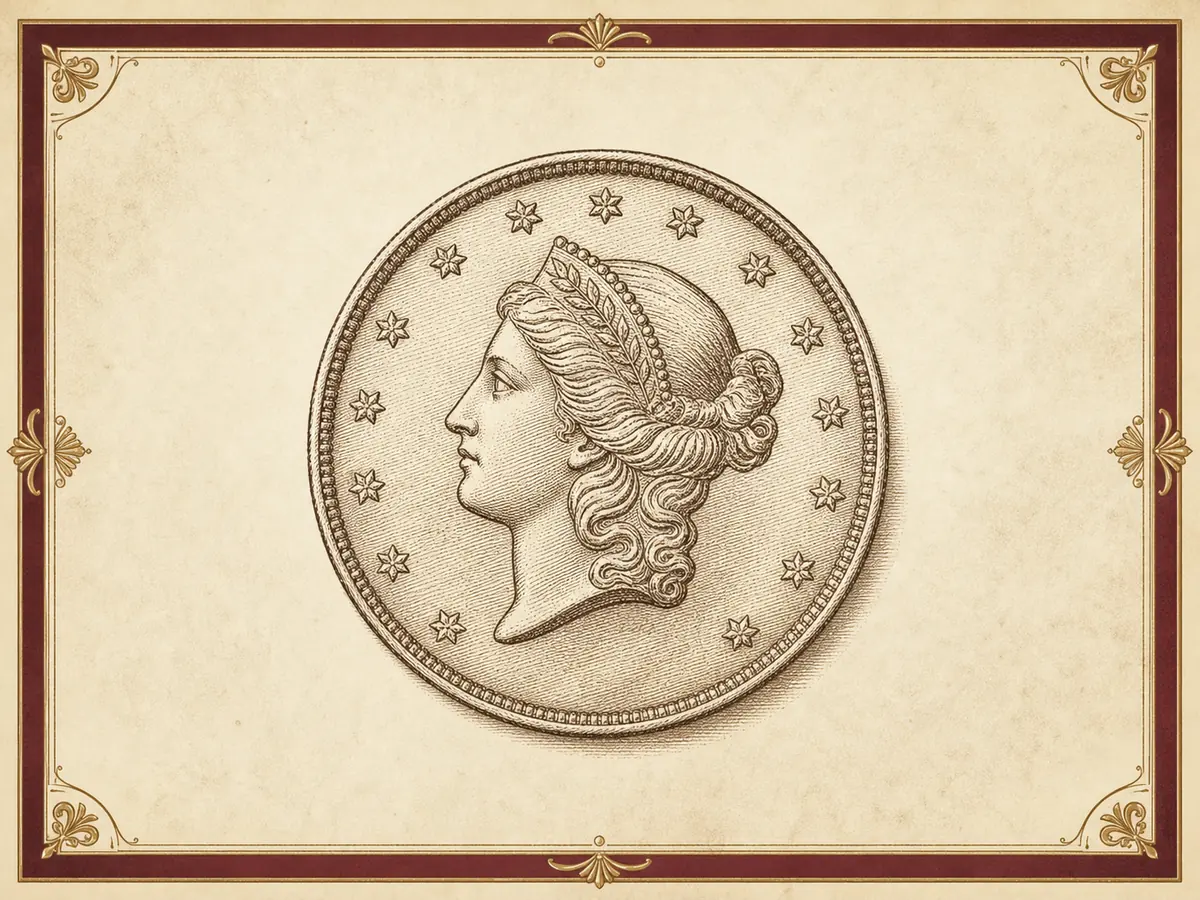
No. 104Storage cost: low
Coin Flips and Tubes
Use inert flips, capsules, or tubes from reputable supply sellers. Label the holder, not the coin.
Condition note: Never scrub a coin to make it look brighter.
Collector's Edition | Est. 2026
A thrifty field guide for hobbyists who know the fun is in the hunt.
Preservation Register No. 004
Care is where many bargains become long-term keepers. You do not need museum cabinets to treat a collection well. You need clean hands, stable storage, decent sleeves, labels that make sense, and the discipline to avoid "improving" an item into damage.
Use inert flips, capsules, or tubes from reputable supply sellers. Label the holder, not the coin.
Condition note: Never scrub a coin to make it look brighter.
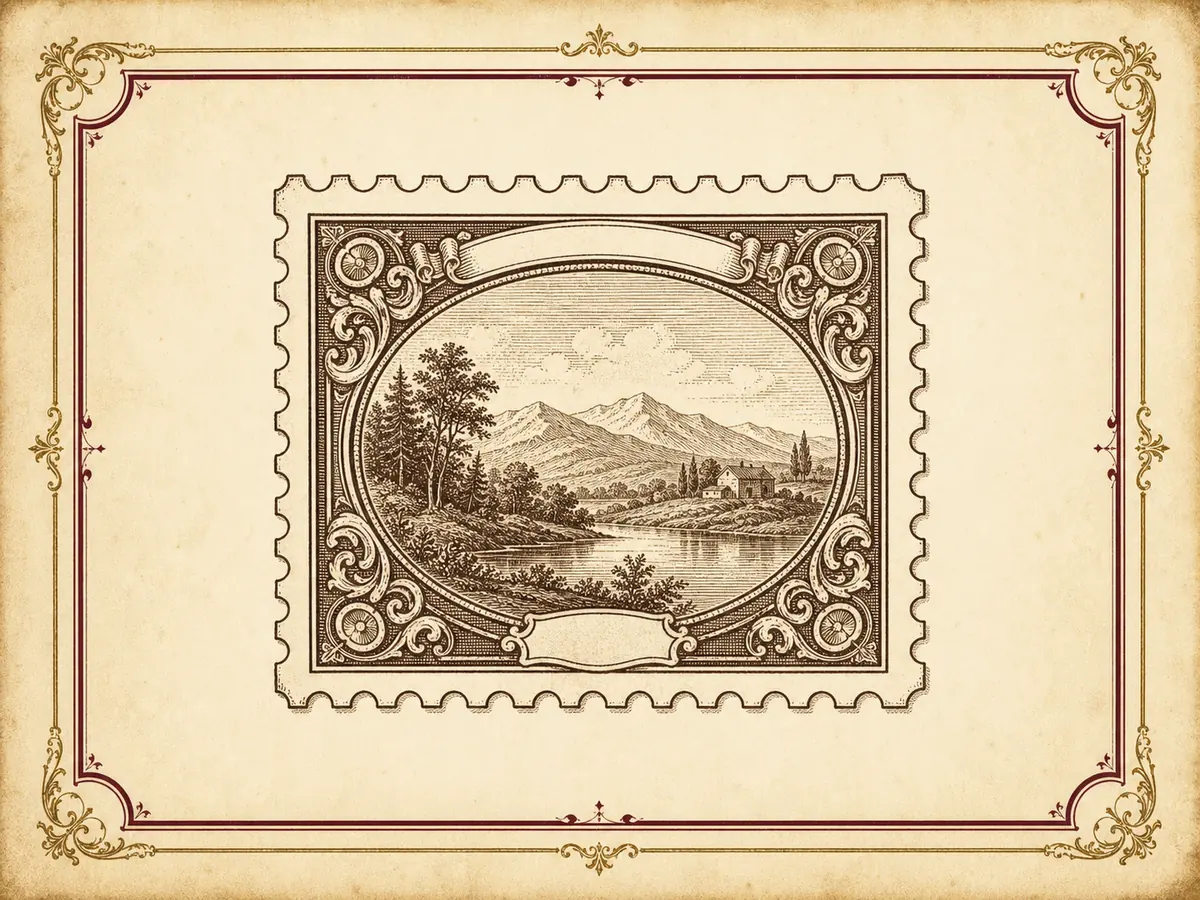
Keep stamps flat, dry, and away from sunlight. Glassine envelopes are handy for sorting before albums.
Condition note: Tongs beat fingers; oils and bends add up quickly.
| Collection | Condition Goal | Typical Range | Budget Storage |
|---|---|---|---|
| Coins | Dry, unhandled surfaces | Low | Inert flips, tubes, silica packet nearby, no PVC sleeves. |
| Stamps | Flat paper, strong color | Low to moderate | Glassine envelopes, albums, stamp tongs, away from damp rooms. |
| Cards | Sharp corners, clean surface | Low | Penny sleeves, rigid top loaders, team bags, upright boxes. |
| Vinyl | Clean playback, flat disc | Low to moderate | Vertical shelving, inner sleeves, gentle brush, no hot attics. |
A small inventory card can save hours: where you found the item, what you paid, known flaws, and why you bought it. Keep the note separate from the object and avoid tape, rubber bands, and sticky labels on original surfaces.